For decades, the sharp, medicinal smell of chlorine bleach was marketed as the ultimate proof that a house was truly clean. Yet anyone who has ever felt their throat tighten or eyes water while scrubbing a bathroom tub knows that harsh chemical sting is actually a warning sign. Much like a trusted family doctor advises addressing the root cause of discomfort rather than masking symptoms, modern household wellness starts with removing hazardous synthetic irritants from your daily environment. Replacing corrosive disinfectants with plant- and mineral-powered natural all-purpose cleaner degreasers allows you to cut through stubborn kitchen grease and bathroom grime without filling your living spaces with toxic vapours.
Sodium hypochlorite—the active ingredient in household chlorine bleach—remains one of the most reactive and hazardous chemicals stored under residential sinks. Between dangerous respiratory fumes, accidental chemical reaction risks, and permanent damage to household surfaces, the drawbacks of chlorine far outweigh its whitening power. Making the switch to a purpose-built natural cleaner delivers deep, reliable sanitation while keeping children, pets, and indoor air quality safe.
The Quick Edit
- Toxic Fumes Compromise Indoor Air Quality: Chlorine bleach releases volatile organic compounds (VOCs) and irritating chlorine gas that aggravate asthma, inflame airways, and linger in poorly ventilated rooms.
- Accidental Mixing Creates Deadly Gases: Combining bleach with everyday products containing ammonia, vinegar, or toilet bowl acids produces toxic chloramine or chlorine gas within seconds.
- Natural Cleaners Clean Without Corrosive Residue: Plant-derived surfactants and mineral-based degreasers lift dirt, grease, and grime cleanly without bleaching fabrics, etching stone, or leaving hazardous residues for pets and kids.
Respiratory Irritation and Compromised Indoor Air Quality
Most household deep-cleaning happens inside enclosed bathrooms, laundry rooms, and kitchens where airflow is limited. When liquid chlorine bleach spreads across warm tiles or porcelain, it immediately releases gaseous chlorine and secondary volatile organic compounds into the breathing zone. Even at low household concentrations, inhaling these fumes irritates the mucous membranes of the nose, throat, and lungs, triggering coughing, wheezing, headaches, and shortness of breath.
Occupational and environmental health studies have repeatedly linked frequent domestic bleach use to higher rates of adult-onset asthma, chronic bronchitis, and airway inflammation. Children are especially vulnerable because their lungs are still developing and they breathe more air per pound of body weight than adults. Understanding the toxins in commercial cleaners reveals why that familiar “bleach smell” is not the scent of cleanliness at all—it is airborne chemical irritation that degrades the very indoor air your family breathes all day.
The Ever-Present Danger of Accidental Chemical Reactions
One of the most serious hazards of keeping chlorine bleach in a home cleaning caddy is how violently it reacts with other ordinary household products. Many homeowners unintentionally trigger dangerous chemical reactions while trying to boost cleaning power—such as pouring bleach into a toilet bowl that still contains acidic descaler, or wiping down a countertop with bleach after spraying glass cleaner.
When sodium hypochlorite contacts ammonia-based glass or floor cleaners, it instantly generates toxic chloramine vapours that cause severe chest pain, fluid buildup in the lungs, and chemical pneumonitis. Mixing chlorine bleach with vinegar, lemon juice, or acidic rust removers releases pure chlorine gas, which burns eyes and respiratory tissues upon contact. Even residual traces left inside a mop bucket or spray bottle can react unexpectedly. Eliminating chlorine bleach from your utility closet removes this catastrophic household hazard completely.
Hidden Risks for Pets, Toddlers, and Sensitive Skin
Beyond airborne fumes, chlorine bleach leaves behind reactive chemical residues on floors, baseboards, food-prep counters, and bathtub surfaces unless rinsed exhaustively with clean water. Toddlers crawling across freshly mopped kitchen tiles absorb trace chemicals directly through their skin and frequently put their hands in their mouths.
Household pets face even higher direct exposure. Dogs and cats walk barefoot across treated floors, lie directly on cleaned surfaces, and groom their paws and fur throughout the day—ingesting whatever chemical residue remains behind. Direct contact with diluted or undiluted bleach also causes painful paw-pad burns, red rashes, and dry, cracked skin on human hands. Transitioning toward a chemical-free home protects the family members who live closest to the floor from chronic low-level dermal and oral exposure.
Surface Corrosion and Why Bleach Doesn’t Actually Clean
A common misconception is that chlorine bleach removes dirt and grease. In reality, sodium hypochlorite is an oxidizing disinfectant and pigment stripper, not a true detergent. It lacks the surfactant molecules needed to break the bond between oily food grease, soap scum, and hard surfaces. Instead, bleach simply strips colour from organic stains—making dirt invisible without actually lifting it away.
At the same time, chlorine’s aggressive oxidative chemistry slowly destroys common home finishes. Repeated exposure dulls and pits natural stone countertops like granite and marble, corrodes stainless steel sinks and faucet hardware, weakens grout lines, and leaves permanent yellow or white splash marks on clothing, bath mats, and upholstery. Over time, harsh chemical disinfection costs homeowners far more in damaged fixtures and ruined textiles than gentle, pH-balanced cleaning solutions.
Why a Dedicated Natural All-Purpose Cleaner Degreaser Outperforms Bleach
For homeowners choosing between natural and chemical cleaners, the biggest concern is usually whether a safer formula can still tackle baked-on stove grease, sticky counters, and bathroom buildup. Modern natural cleaning science answers that challenge by harnessing concentrated botanical surfactants, plant-derived solvents, and biodegradable mineral builders rather than corrosive chlorine.
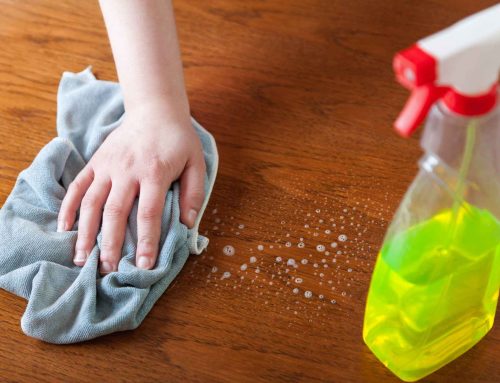
A high-performance natural all-purpose cleaner and degreaser works by surrounding oil, grime, and organic residue at the molecular level, lifting soils cleanly off the surface so a microfiber cloth wipes them away completely. Because these plant-based formulations contain zero sodium hypochlorite, zero synthetic fragrances, and zero harsh caustics, you can spray them freely across sealed stone, stainless steel, glass, painted cabinets, high chairs, and pet bowls without gloves, masks, or heavy ventilation. Instead of masking grime behind a wall of toxic fumes, a thoughtfully formulated natural cleaner leaves surfaces genuinely spotless, streak-free, and safe to touch immediately.
Making the Switch to a Safer, Cleaner Home
Letting go of chlorine bleach does not mean compromising on a hygienic, sparkling home. Once you swap harsh chemical oxidizers for a dependable natural all-purpose cleaner and degreaser, everyday cleaning becomes faster, gentler on your surfaces, and far healthier for everyone under your roof—proving that true cleanliness never needs to come at the expense of clean air.