High-performance machinery requires careful daily maintenance to ensure long-term reliability. Whether you’re managing commercial coffee equipment, maintaining an indoor golf simulator, or keeping everyday office tools running smoothly, surface maintenance directly affects how your gear performs over time. Owners often rely on natural all-purpose cleaner degreasers to lift oil, dust, and grime without exposing surfaces to harsh chemical residues. However, switching to plant-based cleaners requires understanding how specific formulas react with specialized components.
Investing in high-end machinery means paying close attention to material compatibility. Modern equipment features complex combinations of anodized aluminum, polished brass, silicone gaskets, clear touchscreens, and tempered glass. Using the wrong spray can strip protective coatings, degrade rubber seals, or dull shiny finishes. Learning how to evaluate natural cleaning solutions ensures you protect expensive machinery while maintaining a healthy, chemical-free environment.
The Quick Edit
- Material Sensitivity: Match plant-based active ingredients to specific surfaces like stainless steel, brass, silicone seals, and sensitive digital displays.
- pH Balance Matters: Neutral pH formulas protect anti-glare screens and natural rubber gaskets from acid corrosion or alkaline dulling.
- Residue-Free Performance: Plant-based surfactants dissolve organic oils cleanly without leaving tacky films that attract dust or clog internal valves.
Why Material Compatibility Matters for High-Performance Gear
Specialized equipment is engineered with precision materials that handle heat, pressure, and frequent physical touch. Standard off-the-shelf cleaners often contain aggressive solvents, artificial fragrances, or harsh caustic agents designed for heavy industrial use. Over time, these chemicals break down delicate components, causing unneeded wear and tear.
When switching to natural formulas, users must remember that “natural” does not automatically mean universally compatible. Natural ingredients like citrus extracts or concentrated vinegars contain real organic acids. While organic acids work wonders on household mineral scale, they can strip protective oils from unsealed metals or pit soft aluminum surfaces if left unrinsed.
Similarly, natural alkaline cleaners built with potassium hydroxide or sodium carbonate cut through stubborn grease effectively. However, high-pH formulas can dull anodized finishes or cause clear acrylic panels to turn cloudy over time.
Protecting your investment requires evaluating how the active ingredients in your natural cleaner interact with each specific material present on your machine.
Decoding Natural Ingredients: Acids, Surfactants, and Solvents
Understanding what goes into a natural cleaning formula helps you select the right product for your equipment. Plant-based solutions generally rely on three main categories of functional ingredients:
Plant-Derived Surfactants
Surfactants lower the surface tension of water, allowing the cleaner to loosen and lift oils, dust, and grime. Common plant-derived options include coco-glucoside, decyl glucoside, and lauryl glucoside, which are derived from coconut or corn sugars.
These non-ionic surfactants are exceptionally gentle. They lift surface oils effectively without attacking delicate rubber seals, stripping powder coats, or leaving film deposits behind.
Organic Acids
Citric acid, lactic acid, and acetic acid are popular natural acids used to dissolve mineral deposits, water spots, and limescale.
These ingredients work exceptionally well on internal stainless steel boilers or glass panels. However, avoid using acidic formulas on soft natural rubber gaskets, copper fittings, or unsealed stone surfaces, as repeated acid exposure causes micro-cracking and material degradation.
Natural Solvents and Essential Oils
d-Limonene (extracted from orange peels) and tea tree oil act as powerful natural degreasers. They dissolve sticky residues, organic waxes, and oils with ease.
While highly effective, concentrated natural solvents should be used with care around clear plastics, silicone seals, and printed touchscreens. High concentrations of citrus solvents can cause certain plastics to craze or soften over time.
Evaluating pH Levels for Sensitive Surfaces
The pH scale measures how acidic or alkaline a liquid solution is, ranging from 0 to 14. A reading of 7 represents neutral water. Checking the pH value of your natural cleaner is one of the easiest ways to verify its safety for specialized equipment.
Acidic cleaners (pH 2 to 5) are designed to remove mineral scale, rust, and hard water stains. They are safe for glass, high-grade stainless steel, and ceramic components. However, keep them away from soft metals like brass and aluminum.
Alkaline cleaners (pH 9 to 11) target organic fats, body oils, and stubborn grease. They work well for stainless steel housings and heavy-duty mechanical frames.
For general daily maintenance, a pH-neutral natural cleaner (pH 6.5 to 7.5) provides the safest balance. Neutral formulas clean surface dust and oil effectively while protecting delicate anti-glare coatings, touchscreen displays, and soft rubber seals from long-term damage.
Specialized Environments: From Fitness Centers to Clinical Settings
Different operational environments require tailored cleaning approaches to balance surface safety with hygiene standards.
In athletic facilities, equipment faces continuous contact with sweat and body oils. Facility managers focused on maintaining odour-free gyms need plant-based cleaners that neutralize sweat odours without degrading vinyl upholstery on weight benches or damaging sensitive heart-rate monitors. Natural formulas powered by plant-derived enzymes break down sweat proteins cleanly without causing vinyl materials to dry out and crack.
In high-traffic workspaces, maintaining pristine hygiene across shared touchpoints is essential. Staff must regularly sanitize high-touch environments such as touchscreen kiosks, shared control panels, and registration desks without clouding display screens or eroding protective anti-fingerprint coatings.
Similarly, professional medical offices and therapy spaces require gentle yet powerful cleaning protocols. Today, more clinics are switching to natural cleaning products to protect sensitive diagnostic instruments while maintaining pristine air quality for patients and staff. Natural, low-VOC solutions remove surface smudges and residue without releasing irritating chemical fumes into enclosed treatment rooms.
A Step-by-Step Framework for Safe Equipment Cleaning
To ensure your natural cleaning routine keeps equipment running smoothly without causing unexpected damage, follow this practical four-step process:
- Check Manufacturer Guidelines: Review your equipment’s care manual before applying any new product. Look for explicit warnings regarding acids, solvents, or high-pH cleaners.
- Perform a Spot Test: Apply a small amount of diluted natural cleaner to a hidden corner of the machine. Wait 10 to 15 minutes, wipe it clean, and inspect the finish under bright light for discoloration, clouding, or surface dullness.
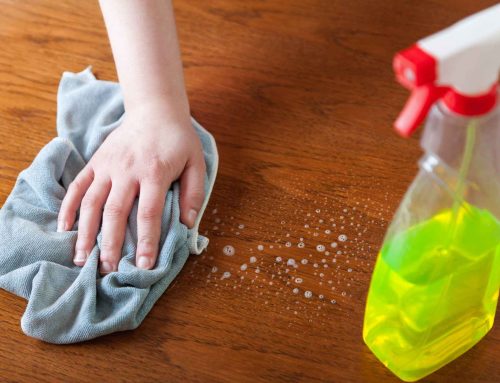
- Use Microfiber Cloths: Avoid abrasive pads or paper towels, which can scratch sensitive clear plastics and polished metals. High-density microfiber towels trap dislodged dirt without scratching delicate surfaces.
- Never Spray Directly on Electronics: Spray your natural cleaner onto the microfiber cloth first, then gently wipe equipment housings. This prevents liquid from seeping into internal electrical boards, ports, or display edges.
Long-Term Benefits of Natural Equipment Maintenance
Adopting a natural cleaning strategy protects both your physical machinery and your indoor environment. Plant-based cleaners eliminate volatile organic compounds (VOCs), creating a safer atmosphere for operators, clients, and guests.
Furthermore, residue-free natural formulas prevent the build-up of sticky chemical films. Traditional cleaners often leave behind micro-residues that act like a magnet for dust and airborne oils, forcing you to clean more frequently. Plant-derived surfactants rinse cleanly, keeping surfaces smooth, bright, and protected over time.
By selecting pH-appropriate formulas, matching ingredients to specific materials, and practicing proper application techniques, you can safely harness the power of natural cleaners to preserve your specialized equipment for years to come.