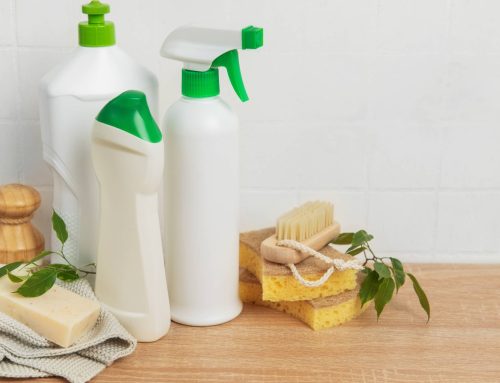
Keeping a home clean and sanitary is a fundamental part of property maintenance. For generations, consumers have been conditioned to equate an intense, eye-stinging chemical smell with true domestic cleanliness. When faced with stubborn kitchen grease or heavy bathroom grime, the standard response is to reach for a bottle of harsh commercial solvent. However, many homeowners are beginning to realize that these heavy-duty formulas carry hidden dangers. Switching to plant-based, natural all-purpose cleaner degreasers allows you to maintain a spotless home while protecting your family from unnecessary chemical exposure.
Many people find it easy to overlook the contents of their cleaning cabinets because the products are sold openly on supermarket shelves. Homeowners will spend thousands of dollars on structural improvements, like a professional basement underpinning project, to secure their foundation and keep their indoor spaces safe. Yet, they will simultaneously spray highly corrosive, unregulated chemical mixtures directly onto their countertops and floors. This practice introduces complex health risks into the very spaces we build for comfort and safety. Taking the time to audit your household products helps you identify harmful ingredients early, transforming your property into a truly healthy living environment.
The Rogue’s Gallery: Unmasking Common Toxic Ingredients
To protect your household from hidden chemical hazards, you must learn to read the fine print on commercial product labels. Most conventional cleaners utilize a complex cocktail of synthetic ingredients designed to strip grease and kill bacteria quickly. Unfortunately, these aggressive chemical actions are rarely localized to the surface you are trying to clean. Instead, the active ingredients frequently interact with your body, creating long-term physiological stress.
The most widespread group of toxic chemicals in cleaning products includes synthetic fragrances, which are heavily formulated with phthalates. Manufacturers use these plasticizing chemicals to make their artificial floral or citrus scents last longer in the air. Unfortunately, phthalates are documented endocrine disruptors that mimic natural hormones inside the human body, potentially upsetting developmental health.
Furthermore, many generic spray degreasers contain a powerful solvent called 2-butoxyethanol. This chemical gives the cleaner its ability to cut through heavy grease, but it also absorbs effortlessly through exposed skin tissue. Once inside your system, this industrial solvent travels through your bloodstream, contributing to chronic liver and kidney stress over time.
Severe Respiratory Risks: The Absolute Danger of Ammonia and Bleach
The most immediate physical threats in the domestic cleaning world come from standard household ammonia and chlorine bleach. Both of these substances are highly corrosive on their own, capable of causing chemical burns to your skin and eyes. When used in small, unventilated spaces like bathrooms, the rising vapours can instantly inflame your throat and lung linings. This acute irritation can easily trigger severe asthma attacks and cause chronic respiratory issues for young children and pets.
The greatest danger, however, occurs when these two common household products are accidentally mixed together on the same surface. Combining ammonia with chlorine bleach triggers a rapid chemical reaction that releases dangerous chloramine gas into your indoor air. Inhaling chloramine gas causes immediate chest tightness, violent coughing fits, and severe damage to your delicate respiratory tissue. This chemical hazard highlights why relying on aggressive commercial ingredients is an unnecessary risk for modern homeowners.
The Hidden Air Hazard: Volatile Organic Compounds (VOCs)
The health risks of conventional cleaners extend far beyond the immediate physical contact you have with the liquid spray. Every time you push the nozzle on a conventional aerosol cleaner, you release millions of microscopic chemical droplets into the air. These ingredients belong to a class of fast-evaporating chemicals known as Volatile Organic Compounds, or VOCs.
Because modern homes are tightly sealed to maximize energy efficiency, these airborne chemical gases become trapped inside your living spaces. During the winter months, when windows remain closed, indoor VOC levels can climb up to ten times higher than outdoor pollution levels.
Breathing these trapped vapours day after day forces your lungs to deal with a continuous stream of toxic airborne gases. This chronic exposure often manifests as frequent headaches, unexplained dizziness, and ongoing sinus irritation that conventional medications cannot resolve. Replacing these volatile synthetic liquids with stable, plant-based alternatives is the easiest way to purify your indoor air quality immediately.
The Chemical Reality Grid
Organizing your understanding of household ingredients helps you choose safer, eco-friendly alternatives for your cleaning routines:
| Conventional Chemical Ingredient | Primary Commercial Purpose | Documented Health & Biological Risk | Clean Plant-Based Alternative |
|
Phthalates & Synthetics
|
Prolongs the lifespan of artificial fragrances. | Acts as an endocrine disruptor; triggers skin allergies. | Organic essential oils and natural botanical extracts. |
|
2-Butoxyethanol
|
Dissolves heavy industrial grease and oil. | Contributes to progressive liver stress and kidney fatigue. | Citrus terpenes (d-limonene) derived from fruit peels. |
|
Chlorine Bleach
|
Whitens surfaces and destroys organic mold. | Corrodes skin tissue; creates dangerous airborne gases. | Hydrogen peroxide and natural oxygen-based whiteners. |
|
Sodium Hydroxide
|
Blasts through baked-on oven grease and grime. | Causes severe throat burns; damages delicate eye tissue. | Baking soda paste mixed with natural liquid castile soap. |
The Science of Clean: How Natural Plant-Based Degreasers Compete
A common misconception among consumers is that eco-friendly cleaning alternatives are inherently weaker than their synthetic counterparts. Many people assume that without harsh acids or industrial solvents, a cleaner cannot effectively cut through stubborn kitchen grease. This myth ignores basic organic chemistry, which proves that natural plant-derived ingredients can dissolve heavy grease safely and effectively.
Modern natural degreaser alternatives utilize advanced botanical surfactants derived from sustainable sources like coconut oil and corn sugar. These natural molecules are engineered with a dual-ended structure that loves both water and oil simultaneously. One end of the molecule attaches firmly to the stubborn grease layer, while the opposite end binds tightly to your rinse water.
This structural bond allows the cleaner to break down thick oil pools into tiny droplets that wash away effortlessly. Additionally, formulas that feature natural citrus terpenes contain d-limonene, a powerful solvent extracted directly from orange peels. This natural compound dissolves heavy waxes, adhesives, and baked-on grease on contact without releasing any dangerous household cleaning solvents into your home.
Creating a Non-Toxic Sanctuary: Long-Term Benefits for the Whole Family
Transitioning your home away from harsh commercial chemicals delivers immediate benefits for every member of your household. When you eliminate synthetic residues from your floors and countertops, you protect crawling toddlers and pets from accidental chemical ingestion. Dogs and cats constantly lick their paws, meaning any chemical film left on your tile floors goes straight into their digestive systems. Switching to eco-friendly surface degreasers removes this hidden threat entirely, ensuring your floors remain safe for everyone.
Furthermore, reducing your household’s chemical footprint helps ease the burden on local municipal water systems. Every drop of commercial cleaner you rinse down your sink eventually travels to a wastewater treatment facility. Many synthetic surfactants and chemical chelating agents are incredibly difficult to filter out, allowing toxins to slip into local waterways. Using fully biodegradable plant-based formulas means your cleaning water breaks down naturally into harmless organic compounds, protecting local aquatic life.
Protecting Your Home Haven
Relying on harsh commercial cleaners to maintain your property is an outdated approach that threatens your family’s health and indoor air quality. Leaving your home exposed to synthetic fragrances, industrial solvents, and corrosive gases leads to chronic respiratory stress and toxic chemical accumulation. Trying to achieve a spotless home by using dangerous conventional formulas is an unnecessary risk that compromises your daily wellness. By auditing your utility cabinets, understanding ingredient labels, and switching to high-performance natural degreasers, you protect your household completely. This proactive approach to eco-friendly home care ensures your living spaces remain clean, safe, and beautifully healthy through every season of the year.