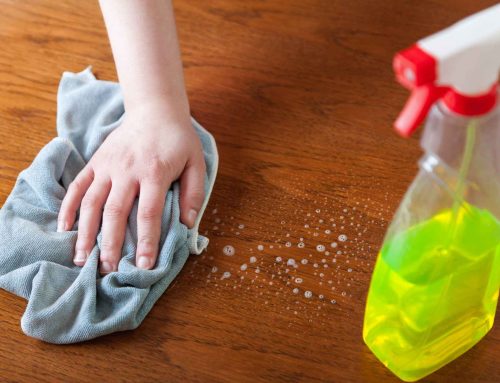
Keeping a living space spotless and fresh is a universal priority for home maintenance. However, the crisp lemon or meadow breeze scent lingering after a thorough cleaning session often masks a hidden chemical concern. For millions of households, commercial spray bottles promise immaculate surfaces, yet they fill indoor air with complex synthetic fragrance mixtures. Incorporating eco-friendly solutions like natural all-purpose cleaner degreasers into your daily routine ensures your kitchen counters and bathroom surfaces remain grease-free without compromising indoor air quality.
Creating a safe, non-toxic home environment requires evaluating every product that crosses your threshold. Just as working with a premier custom home builder ensures a house is constructed with non-gassing insulation, safe building materials, and modern ventilation systems, choosing plant-based cleaning formulas protects the air you breathe inside those walls. Understanding what lies behind artificial scents empowers families to make safer, healthier choices for their living spaces.
The “Parfum” Loophole: What Commercial Labels Hide
When you read the ingredient panel on a standard commercial cleaning spray, you will likely spot terms like “Fragrance,” “Perfume,” or “Parfum.” While these words sound simple, they actually represent one of the largest regulatory transparency loopholes in consumer product manufacturing.
Under current trade secret laws, chemical manufacturers are not required to disclose the individual ingredients used to create a proprietary scent. A single fragrance mixture can contain anywhere from fifty to over three hundred distinct synthetic chemical compounds.
Because trade secret protections shield these recipes, consumers remain entirely in the dark about what they spray onto dining tables, kitchen counters, and nursery furniture. Understanding the dangerous toxins present in commercial cleaners starts with recognizing that artificial scents are not single ingredients, but rather complex, unlabelled chemical cocktails.
Phthalates, VOCs, and Synthetic Musks: The Chemical Lineup
The synthetic compounds that make artificial scents linger for hours or days carry significant biological consequences. Manufacturers rely on specific chemical fixatives to lock in artificial aromas, many of which pose hidden health risks to human tissues and nervous systems.
Phthalates and Endocrine Disruption
Phthalates are chemical plasticizers used in synthetic fragrances to extend scent longevity. When sprayed, phthalate molecules disperse into the air and attach to settled floor dust, where family members and pets easily inhale or ingest them.
Once inside the human body, phthalates act as potent endocrine disruptors. They mimic or block natural hormones, interfering with the endocrine system. Medical research links chronic phthalate exposure to reproductive system disruptions, thyroid imbalances, and developmental concerns in growing children.
Volatile Organic Compounds and Respiratory Stress
Synthetic fragrances are major sources of indoor Volatile Organic Compounds. When sprayed indoors, these volatile chemicals evaporate rapidly into the air at room temperature.
Inhaling synthetic fragrance VOCs irritates sensitive mucous membranes throughout the nasal passages, throat, and lungs. This chemical exposure triggers coughing spells, sinus congestion, and severe asthmatic flare-ups, particularly in sensitive individuals and young children.
Synthetic Musks and Bioaccumulation
To create warm, heavy scents like lavender or vanilla, commercial formulations often use synthetic nitromusks and polycyclic musks. These persistent synthetic compounds resist breaking down easily in the environment or inside human tissue.
Over time, synthetic musks accumulate in human fat tissue and blood plasma. Environmental studies frequently detect synthetic musk residues in municipal wastewater and local freshwater ecosystems, demonstrating their lasting environmental footprint.
The Sealed Home Factor: Indoor Air Quality Challenges
Indoor air quality deserves special attention during long, cold winter seasons. Windows and doors remain tightly shut for six months or more. Modern homes are built to be highly energy-efficient and airtight. These designs keep warm air inside and prevent heat loss.
However, an airtight building envelope also traps airborne chemical pollutants inside the living space. Families often use heavily scented commercial sprays inside a sealed home. As a result, synthetic fragrance chemicals accumulate in elevated concentrations.
Artificial scent molecules cannot vent outside easily. Instead, they recirculate through heating ducts and settle into carpets, upholstery, and bed linens. Respiratory specialists note that indoor air pollution levels often rise significantly higher than outdoor air pollution during winter months. Reducing or eliminating artificial scents is one of the fastest, most effective ways to restore clean indoor air.
Chemical Sensitivity: Headaches, Asthma, and Eczema Triggers
Synthetic fragrances are among the top five known allergens worldwide, frequently triggering immediate physical reactions in sensitive individuals.
For millions living with environmental sensitivities, exposure to artificial scents causes debilitating health symptoms:
- Neurological Symptoms: Artificial fragrances can trigger sudden migraine headaches, dizziness, difficulty concentrating, and persistent brain fog.
- Respiratory Reactions: Inhaling synthetic scent particles irritates bronchial tubes, leading to chronic dry coughing, wheezing, and acute asthma attacks.
- Dermatological Distress: Direct skin contact with scented residues left on countertops, clothes, or furniture causes contact dermatitis, localized hives, red skin patches, and eczema flare-ups.
Eliminating synthetic fragrance products removes a primary source of daily chemical irritation, allowing sensitive immune systems to recover and thrive.
Ditching the Myth: Scent Does Not Equal Clean
One of the greatest achievements of modern consumer advertising has been convincing society that a room is only truly clean if it smells strongly of artificial pine, citrus, or floral perfume.
In reality, clean has no natural smell. True cleanliness is simply the total absence of dirt, grease, pathologically active bacteria, and harmful chemical residues. Scented commercial cleaners often leave behind a sticky chemical film that actually attracts dust and dirt particles faster over time.
Recognizing that artificial perfume merely masks underlying odours rather than eliminating their root cause helps homeowners realize that it is time to switch to natural household cleaners. Shifting your definition of clean from a heavy artificial aroma to fresh, neutral air is a foundational step toward creating a healthy indoor environment.
How Natural Products Clean, Sanitize, and Freshen Safely
A common concern among homeowners transitioning away from synthetic commercial cleaners is whether plant-based alternatives can deliver the same heavy-duty cleaning performance.
Fortunately, modern green chemistry has advanced dramatically. Plant-derived surfactants made from coconut, sugar beets, and corn starch break down tough kitchen grease, soap scum, and dried grime just as effectively as petroleum-derived chemicals.
Furthermore, learning how natural cleaning products can actually disinfect surfaces provides complete peace of mind for health-conscious families. Plant-derived antimicrobial agents—such as thymol from thyme oil, botanical citric acid, and grain alcohol—effectively eliminate ninety-nine point nine percent of common household germs without off-gassing toxic fumes into your home.
When natural cleaning products do feature a subtle scent, they use pure, steam-distilled essential oils like sweet orange, tea tree, eucalyptus, or lavender. These natural botanicals provide a light, uplifting aroma that dissipates naturally within minutes, leaving no lingering synthetic chemicals behind.
Making the Switch: Practical Steps for a Non-Toxic Home
Transitioning your household to non-toxic, scent-free, or naturally fragranced cleaning products does not require throwing away every bottle in your cabinets overnight.
You can adopt a simple, step-by-step approach to make your home safer and healthier:
- Read Ingredient Panels Carefully: Look for full ingredient disclosure on product labels. Avoid items that list “Fragrance,” “Parfum,” or undisclosed scent additives.
- Choose Fragrance-Free for High-Contact Surfaces: Opt for unscented formulas for kitchen counters, cutting boards, high chairs, and dining tables where food contacts surfaces directly.
- Embrace Natural Essential Oils: If you enjoy a fresh scent while cleaning, choose products scented exclusively with pure, organic essential oils, or add a few drops of pure lemon oil to a bottle of unscented cleaner.
- Improve Ventilation: Open windows periodically during milder days to flush out stale air, and run bathroom exhaust fans to keep indoor air moving freely.
Protecting Health Through Ingredient Transparency
Your home should be a safe sanctuary that protects your family’s health, energy, and well-being. By choosing to eliminate synthetic fragrances and unmasking the hidden risks of “parfum,” you take active control of your indoor air quality. Natural cleaning products provide all the grease-cutting power, surface shine, and germ-fighting protection you need without polluting the air you breathe. Embracing full ingredient transparency and plant-based formulas ensures your living space remains truly clean, fresh, and safe for everyone under your roof.